Hard Surfaces That Define Outdoor Entertaining
Patio Design & Installation in New Richmond for homeowners replacing failing concrete slabs or adding functional gathering areas
Patios crack, settle, and heave when the base preparation doesn't account for soil type and drainage patterns specific to your property. Solid Oak Construction designs and installs custom patios in New Richmond that start with excavation depth, aggregate selection, and compaction methods matched to whether you're building over clay, sand, or mixed soils. The difference between a patio that lasts fifteen years and one that needs leveling after three winters comes down to what happens before any surface material gets placed.
Custom patio design considers how water sheds away from your foundation, where foot traffic naturally flows from doors and walkways, and how much sun or shade the space receives during peak use hours. Expanding an existing patio or renovating a space that's already settled involves removing failed sections, addressing the base issues that caused movement, and integrating new work so transitions aren't visible or prone to tripping hazards.
Arrange an on-site consultation to assess your yard's drainage and discuss layout options that work with existing landscaping.
How Patio Installation Addresses Base Failure
Installation begins with excavation to remove organic topsoil and establish a level base at the correct depth for your chosen surface material. A compacted aggregate base—typically crushed limestone in multiple lifts—provides the stable foundation that prevents settling, while edge restraints keep materials from spreading outward under foot traffic and furniture weight. Slope is built into the base at one-eighth inch per foot minimum to direct water away from structures.
After installation, you'll notice water no longer pools on the surface during rain, and the patio remains level without developing low spots where furniture legs sink or create trip hazards. Custom carpentry features like built-in benches, pergola posts, or privacy screens are anchored into the base or footings during construction, not surface-mounted afterward where they're prone to tipping. The finished space provides a stable, usable area that doesn't shift seasonally or require re-leveling.
Patio renovations often involve tying new sections into existing concrete or stone, which requires matching elevations and creating control joints that allow independent movement without cracking along seams. The choice between pouring new concrete, installing pavers, or using natural stone affects both the base preparation depth and long-term maintenance, but all options depend on proper excavation and compaction to avoid failure.
Common Questions About This Service
Here's what homeowners in New Richmond typically want to know before starting patio projects.
What causes patios to settle unevenly?
Inadequate base compaction, organic material left in the excavation, or improper drainage that saturates the aggregate base during freeze-thaw cycles all contribute to sections sinking independently and creating uneven surfaces.
How do you tie a patio expansion into existing concrete?
New sections require isolation joints with backer rod and sealant to allow independent movement, and the aggregate base must extend beyond the new edge to prevent undermining the existing slab.
When is renovation better than starting over?
If the existing base is stable and only the surface has failed—such as spalling concrete or shifted pavers—renovation focuses on replacing surface materials, but widespread cracking or settling indicates base failure that requires full removal.
What custom features work best in outdoor entertaining spaces?
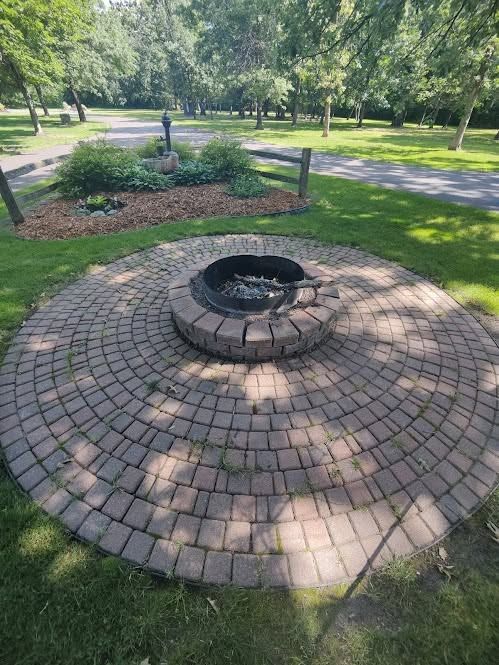
Built-in seating along patio edges, integrated firepits with surrounding sitting walls, and pergola structures that define zones without enclosing the space all enhance usability while maintaining open sightlines across the yard.
How does soil type in New Richmond affect patio construction?
Clay-heavy soils require deeper excavation and thicker aggregate bases to mitigate expansion during wet periods, while sandy soils drain better but need additional compaction to prevent gradual settling under load.
Solid Oak Construction evaluates existing site conditions including slope, drainage paths, and soil composition before recommending materials and base specifications. Contact us to review your property and discuss patio designs that address your outdoor entertaining needs.