
Exterior Envelopes That Stop Air Infiltration
Windows, Doors & Siding in New Richmond for homes losing conditioned air through failing seals and damaged cladding
High heating bills and persistent drafts indicate that windows have lost their seal integrity, doors no longer close tightly against weatherstripping, or siding has developed gaps where air infiltrates wall cavities. Entry and exterior door installation involves setting units in properly sized rough openings, shimming to maintain consistent reveal lines, and sealing the threshold to prevent water intrusion during wind-driven rain. Window replacement addresses both energy loss and operational failures where sashes bind, locks don't engage, or condensation forms between panes indicating seal failure. Solid Oak Construction installs windows, doors, and siding throughout New Richmond, matching new materials to existing architectural styles while improving thermal performance.
Window installations require removing interior and exterior trim, cutting siding or brick molding to accommodate new flanges, and applying flashing tape in a sequence that sheds water away from the rough opening. Siding installation and replacement involves furring wall surfaces to create drainage planes, installing moisture barriers, and overlapping courses to direct water downward rather than allowing it to migrate behind panels.
Schedule a property evaluation to identify air leakage points and assess exterior cladding condition.
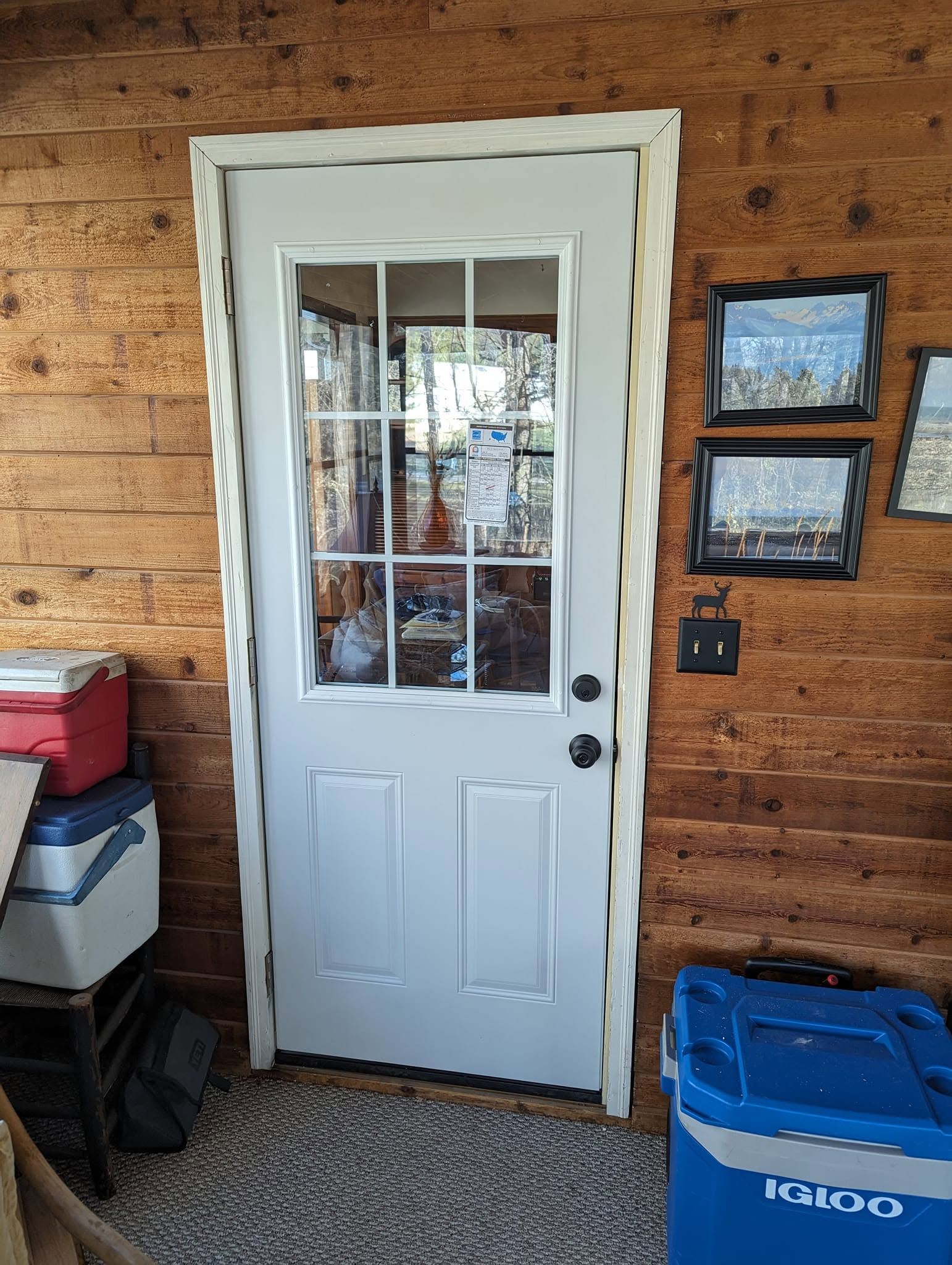
The Difference Between Proper and Inadequate Installation
Patio and sliding doors require level sills and properly adjusted rollers so panels glide smoothly without lifting off tracks or binding at corners, while entry doors need weatherstripping that compresses evenly around the perimeter without gaps at the threshold. Siding installation follows manufacturer specifications for fastener placement, expansion gaps, and flashing details that prevent water from reaching sheathing. Window replacement and installation projects in New Richmond account for seasonal temperature swings by leaving appropriate gaps for thermal expansion without creating visible sightlines or operational issues.
After installation, windows operate smoothly without forcing, locks engage fully, and glass remains clear without interior condensation because sealed units maintain their integrity. Doors close with consistent pressure around the entire perimeter, thresholds sit flush with flooring without creating trip hazards, and weatherstripping contacts evenly without visible gaps. Siding courses run level without waviness, corners meet with tight miters, and trim details align with window and door casings to create continuous reveal lines.
Material selections include choosing between vinyl, wood, fiberglass, or aluminum-clad windows based on maintenance preferences and thermal performance requirements, determining whether doors should be steel, fiberglass, or wood based on security needs and finish preferences, and selecting siding materials that match existing profiles or update the home's appearance entirely. Flashing details differ significantly depending on whether windows install in wood-frame walls, masonry openings, or synthetic stucco systems.
What Property Owners Usually Ask
Understanding installation details and material performance helps property owners make informed decisions about exterior envelope improvements that affect both energy costs and curb appeal.
What window features improve energy efficiency in New Richmond?
Low-E coatings reduce heat transfer, argon or krypton gas fills between panes improve insulation values, and multi-pane construction with insulated spacers minimizes edge conductivity, all contributing to lower heating costs during Wisconsin winters.
How do you match new siding to existing materials during partial replacement?
Siding profiles are identified by manufacturer product lines and exposure dimensions, then sourced as matching stock or substituted with visually identical current products, followed by finish matching or allowing weathering time to blend color differences.
What causes entry doors to stick or become difficult to operate?
Settling foundations shift door frames out of square, seasonal humidity swings cause wood doors to expand, or worn weatherstripping creates uneven contact that requires excessive force to close, all requiring adjustment or replacement depending on severity.
When should siding be replaced rather than repaired?
Widespread cracking, multiple areas of water damage behind panels, or situations where repairs require removing significant sections make full replacement more cost-effective than patchwork repairs that leave mixed material ages and visible repair lines.
How long do window and door installations take to complete?
Single window replacements typically complete in one to two hours per unit, full-house window projects span several days depending on quantity, and door installations require half to a full day depending on whether rough opening modifications are necessary.
Solid Oak Construction handles window replacement, door installation, and siding projects with attention to flashing details and thermal performance. Request a detailed estimate to review material options and installation approaches specific to your home's exterior conditions.